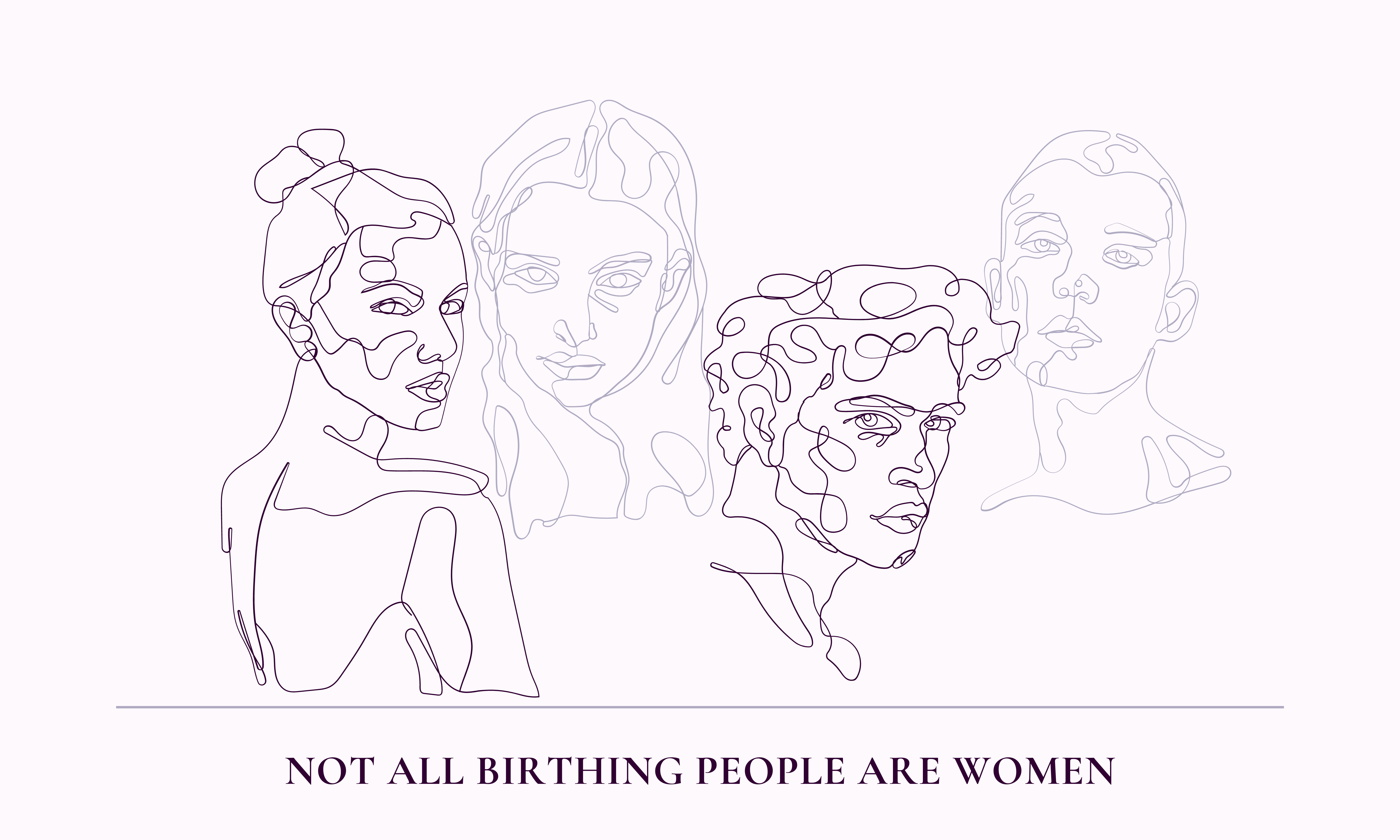
[vc_row][vc_column][vc_column_text css=”.vc_custom_1722343166871{margin-bottom: 0px !important;}”]It’s non-binary awareness week which lends a great opportunity to open a dialogue about gender-open parenting. It’s a practice-based approach to acknowledging that a person’s gender identity can be fluid and does not always align with the sex assigned based on a visual assessment of external genitalia at birth. Parents taking a gender-open approach take actions like choosing a gender-neutral name, building a wardrobe that includes “boys”, “girls” and neutral clothes, using they/them pronouns by default until the child chooses gender-specific ones, and offering the full range of toys and activities to choose from regardless of customary gender associations. This leaves the child free to explore and express their gender in their own time and way, including embracing non-binary, gender-fluid, and agender identities.
It sounds simple, but it’s not. The gender segregation of humans starts at birth or before. When my son was born he was swaddled in a reversible hospital blanket that could have pink facing out for babies with innies, and blue facing out for babies with outies. Often, if the baby’s sex is known or suspected before birth people will begin using gendered pronouns and language.

It also sounds relatively uncontroversial. After all, gender-specific clothing for infants wasn’t really a thing until part way through the 20th century. All little boys wore dresses until they were about school-aged. Haircuts were also not gender specific and names have flipped-flopped between and across genders based on region and fashion. Yet, less than 15 years ago when a Toronto family announced that they were raising their child gender-open, and to that end not disclosing the child’s biological sex to anyone outside of immediate family and healthcare providers, it created a community uproar that made headlines.
People who had nothing to do with this family were outraged, with some going so far as to call not sharing the nature of their child’s external genitalia with society at large “child abuse”. The move was ingenious in that it required people interacting with the child to use they/them pronouns or the child’s first name, which was exactly the source of outrage.
Most parents who raise their child gender open find this plan goes down the tubes if anyone learns the child’s sex assignment. Once this information becomes known they find themselves dealing with such a flood of gendered language, behaviour, and expectations that stopping it is like putting the proverbial finger in the dam. Some studies show that adults caring for newborn girls are more likely to refer to them as “pretty”, and “sweet” and newborn boys as “strong” and “smart”. The continuous conditioning to conform to gendered expectations continues from there.
Sadly, with confidentiality comes censure, especially since this is often kept from extended family members as well. A common valid concern is that the child will feel pressured to keep the secret as they grow older causing shame about their body and other psychological harm. In reality, gender identity typically asserts itself in early childhood, unlike sexual orientation which asserts itself at the onset of puberty. By the time they are old enough to speak well and be in social situations where they are changing around other kids, they will likely have chosen suitable pronouns and other gender markers that work for them. The child is never expected to keep a secret, rather it is the adults caring for them who are expected to maintain their privacy.
So, if you’re a birth worker supporting a family choosing to raise their child gender open or considering it, what can you do to affirm their choices?
Queer Culture
Often families making this choice are culturally queer, meaning that regardless of their own sexual and gender identity they are heavily immersed in and accepted by the queer and trans community. Affirming their right to parent gender-open is part of affirming their right to live open queer/trans lives, and raise their kids in the community.

A growing number of people who are not culturally queer are starting to move toward gender-open parenting. In certain ways, those parents face additional challenges, in that they are not as likely to be connected to a community, including healthcare and childcare providers, who are familiar with and supportive of this choice. In this instance, an affirming, queer/trans-competent doula has the power to make a huge difference in their ability to implement this choice by respecting and normalizing their preferences, connecting them with community support, and helping them brainstorm practical ways to avoid gendering their child.
Self Reflection
In some ways, people in Baby’s sphere who don’t know what’s inside their diaper have it easier. If you were there when they were born, or if postpartum support includes diaper changes, you don’t have the advantage of sincerely not knowing their sex assignment.
Don’t take that running stream of babble you’re maintaining with your young charge for granted. Be open to noticing the gendered implications of the way you’re engaging. In addition to language, there’s evidence that caregivers play with and speak with baby girls more gently than boys. Do you notice these behaviours in yourself? Can you consciously move the needle toward more gender-neutral interactions?
Also, remember that while the baby’s sex assignment might not be confidential information for every family, it may be highly so for this family. Have a clear conversation with the parents about their preferences and try not to let that information slip.
It’s Tough Out There
The intro to this article made it sound like you just had to do a handful of things, and voila – you’re parenting gender open. In reality, most parents who are quite gender aware, including trans and non-binary parents find it far more challenging than they thought it was going to be. Not knowing a person’s gender makes most people uneasy. It’s one of the most ingrained ways of sorting humans into categories. With uneasiness comes resistance. Moreover, much of how gender expectations are conditioned is subtle and can’t be avoided by using a certain pronoun or making sure all the clothes are yellow, green, and natural tones.
Parents need significant emotional support from people who understand why this choice is important to them. Just holding space for how challenging it is and encouraging them to preserve their values is an invaluable way that a birth worker can have a positive impact.
Keira Grant (she/her) Inclusion and Engagement Lead – Racialized Communities

Keira brings a wealth of experience to the Online Community Moderator role. She is a Queer, Black woman with a twenty-year track record in Equity, Diversity, and Inclusion (EDI) education, projects, and community building initiatives.[/vc_column_text][/vc_column][/vc_row]