
Tag: birthworker

  • Empowering NICU Parents as a Doula: Strategies for Support

    Empowering NICU Parents as a Doula: Strategies for Support

    [vc_row][vc_column][vc_column_text css=”.vc_custom_1696077782676{margin-bottom: 0px !important;}”]September is NICU (Neonatal Intensive Care Unit)  Awareness Month. ​This special month is dedicated to acknowledging the challenges families face and providing them with the support and resources they need.

    As a doula you will encounter times where families are navigating a baby in the NICU for various reasons. This is an overwhelming and difficult time for all of those involved. It is a traumatic separation of parents and baby. A time where navigating expectations of what parenting was supposed to be and what it is, is up against the fear of will my baby be ok. 

    Often times as doulas we feel scared and unprepared in supporting families as they navigate their way through this journey. Here are a few ways you can show up for families in the NICU. 

    Listen

    Just as you might support someone going through any kind of trauma by listening as they speak, simply lending an open, non-judgmental ear can be of huge help to NICU parents. Focusing on listening ensures that you honor the experience they’re having, instead of clouding it with your insights, birth story, or advice.

    Consider starting with, “Do you feel like talking?” before asking any questions about their status or that of the baby. They may really want to share with you how much weight the baby gained that day or how they’re doing on certain good days, or they may really want to vent on some terrible days. But they also may not want to talk.  Asking if they’re open to talking before diving into a conversation is a way to respect their boundaries.

    Support them in establishing communication with their baby’s care team: 

    NICU parents often feel insecure about how to provide care for their baby who is in such a fragile condition.  It is important for them to know they are just as needed in the NICU as the medical team. 

    • Remind them they are their baby’s best advocate
    • Help them formulate the questions they want to ask
    • Remind them they can provide care to their newborn, changing diapers, taking temperatures, etc. The nurses will support them. 
    • Encourage them to keep a daily journal of their babies progress. keeping track of  baby’s individual body systems, like breathing, digestion, heart, brain, eyes, and any special conditions the baby has.  Keep track of milestones and ask the nurse what the baby’s current goals are.  Sometimes the goals will change daily, and sometimes they will stay the same for weeks.

    Offer Practical Support 

    As a doula this is our wheelhouse. Just as we would in the home, offering clear and concise suggestions about the type of support you can offer will help overwhelmed parents get what they need. 

    • Work with their support system to arrange food delivery for in hospital support and those at home. Gift cards for restaurants in and around the hospital, premade easy to heat up meals and snacks or even e-transfers will be greatly appreciated. 
    • Offer to do a load of laundry and bring it to the hospital ( or arrange for a family member to do so) 
    • Offer to be a communication liaison between the family and their extended family and friends, or help them find their person
    • Remember that the birther is also dealing with recovery, help them with practical recovery strategies like pain management, pumping, etc. 

    Remember that the fear does not end when baby comes home 

     There is a lot of excitement when baby comes home however this doesn’t mean that the fear and concerns have ended. Often parents have not fully processed the trauma of being in the NICU and coming home creates a space for all of that to surface. 

    Find the parents counselling and peer support resources. Expect some hypervigilance when it comes to caring for baby. Patience and listening will continue to be important. 

    What strategies and tools do you use to support families in the NICU? 


    Sondra Marcon (she/her). Education and Administration Coordinator
    Sondra’s background in family therapy and mental health work drives her to create environment for her clients and students that is both supportive and challenging of bias and assumptions. Teaching and development of curriculum drives her to continue to grow. Sondra’s drive to become a doula came when she saw the impact of early childhood experiences and parenting has on the wellness of both the infant and their parents.[/vc_column_text][/vc_column][/vc_row]
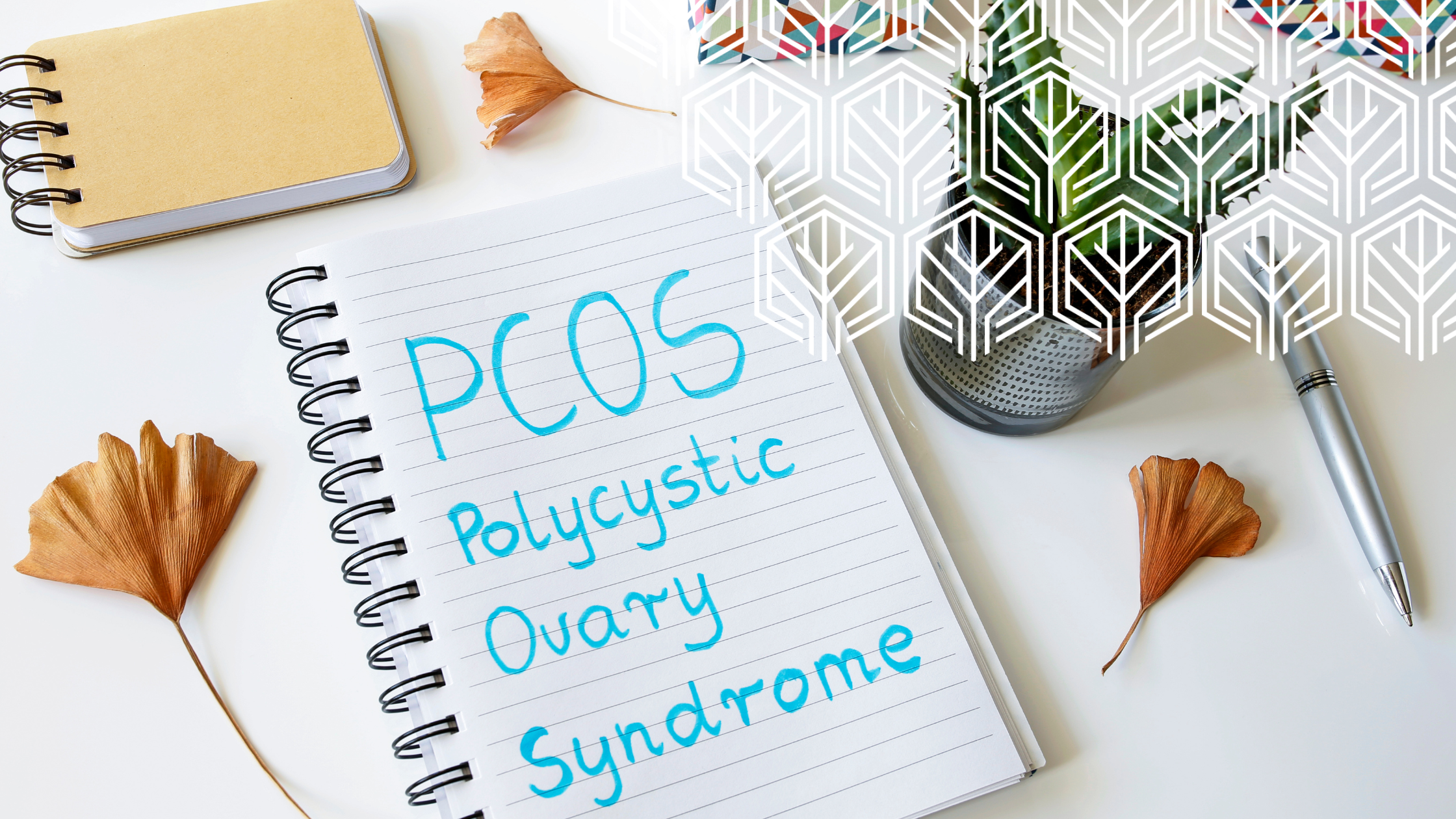
  • A Practical Guide to Navigating PCOS

    A Practical Guide to Navigating PCOS

    [vc_row][vc_column][vc_column_text css=”.vc_custom_1694731059747{margin-bottom: 0px !important;}”]Polycystic Ovarian Syndrome (PCOS)

    With Polycystic Ovarian Syndrome (PCOS) Awareness Month upon us, we felt it imperative to discuss the medical condition considered to be one of the leading causes of infertility and a condition most commonly undiagnosed. PCOS is not a lifestyle illness – it is a diagnosed medical condition that can be debilitating. A person does not get PCOS because of their lifestyle. PCOS is a common chronic hormonal condition that causes hormone imbalances, irregular cycles, cysts in the ovaries, lack of ovulation, among other long-term health problems that affect physical and emotional wellbeing. According to the World Health Organization, PCOS affects an estimated 13-18% of individuals with uteruses who are of reproductive age. This is an alarming number. What’s even more unsettling is that there is no cure for PCOS and up to 70% of affected people will go undiagnosed worldwide. Due to a lack of awareness, education, and taboo around fertility conversations many people do not discuss their reproductive health and menstrual cycles with their families and friends. If you speak to someone of reproductive age you are likely to find out that they probably know someone affected by PCOS, they may have been diagnosed with PCOS, or they might think that they have PCOS but be undiagnosed.

    Individuals who are not diagnosed and go untreated may be at higher risk for developing conditions that increase the risk of cardiovascular disease, including high blood pressure, obesity, gestational diabetes, and high cholesterol. The condition also puts people at risk of developing increased thickness of the uterine lining, uterine cancer, having a preterm delivery and preeclampsia, and a greater chance of having a miscarriage. Research indicates that early testing, diagnosis, and intervention of PCOS improves fertility preservation and prevents complications such as obesity, insulin resistance, diabetes, infertility, and cardiovascular issues later in life, especially in at-risk cases.

    I might have PCOS

    If you suspect that you may have PCOS meet with a medical doctor who specializes in hormonal disorders to discuss your concerns. They will check for symptoms, discuss your medical history, and discuss the regularity of menstrual cycle. Some of the common tests for PCOS might include a physical exam – such as blood pressure and a pelvic exam etc…, blood tests, and a pelvic ultrasound.

    I’ve been Diagnosed with PCOS

    It’s important to talk about this misunderstood condition and its challenges because it presents differently for everyone in ‘real life’ and is considered a lifelong condition.

    If you or someone you know have received an early diagnosis of PCOS, this information may be helpful in navigating where to start and getting the support you need:

    • Get a second opinion
    • Determine and understand your condition and presenting symptoms
    • Connect with a medical doctor who specializes in Gynecology and/or PCOS itself
    • Find a supportive medical team who validate your concerns and align with your long-term goals
    • Connect with a Fertility Doula who can support you throughout your journey
    • Find out if the diagnosis was prompted because of Hyperandrogenism, Anovulation/Oligoovulation, or Polycystic Ovaries on an ultrasound so that an appropriate customized treatment and support plan can be created
    • Get familiar with the concept of insulin resistance because there are a number of factors that contribute to high insulin in PCOS, and insulin resistance has been found to be one of the central factors of the condition
    • Determine the major component of insulin resistance in your condition
    • Get familiar with the long-term health considerations in PCOS
    • Learn about other holistic health modalities such as a Naturopathic Doctor for example who can support your condition
    • Explore which treatments will improve your individual symptoms
    • Adjust your lifestyle to reduce the PCOS symptoms

    What else can I  do?

    Alongside the goals of PCOS Awareness Month we can:

    • increase awareness and education
    • lobby for improved diagnosis and treatment of the disorder
    • disseminate information on diagnosis and treatment
    • hold agencies responsible for the improved quality of life and outcomes of those affected
    • promote the need for research to advance understanding of PCOS: improved diagnosis, treatment and care options, and for a cure for PCOS
    • acknowledge the struggles of those affected
    • make PCOS a public health priority

    To lean more, visit:

    .[/vc_column_text][/vc_column][/vc_row]