
Tag: birth worker

  • Recertification

    Recertification

    Recertification

    As professionals dedicated to excellence and impactful care, we understand that learning is a continuous journey and we’re so happy to invest heavily each month in newsletters, webinars, new courses, program updates and more to serve you as our alumni. This month’s blog shares an important reminder about staying relevant, effective, and confident in our roles: recertification.

    When Doula Canada became an approved vocational school years ago, we undertook that for students to be able to use RESPs to pay for their education. One of the requirements of that program and of many other provincial and state doula associations was a requirement for recertification to be part of the organization’s standards. This requirement has been in place since 2017 when this was first introduced. See FAQ item posted here. This requirement however has not been enforced administratively and was up to individual doulas to submit their Continuing Education Units (CEUs). 

    We’re now introducing a more formal way for us to track and support alumni with this process. 

    What does recertification entail?

    Trust us when we say we want this to be EASY. No one wants a complicated and convoluted recertification process. We will require only 2 things for recertification: 15 CEUs and an up-to-date CPR/First Aid.

    THERE WILL BE NO FEE FOR RECERTIFICATION AT THIS TIME. The earliest date we will require recertification is December 2025, one year from now.

    Why is Recertification Important?

    There has long been debate about many aspects of our profession, credentialing in general and of course the professional aspects of being a “profession” at all! As leaders who’ve been working in the field for over 20 years we’ve seen a LOT of change. Similar to modern midwifery, the doula profession has experienced a conflicting balance between wanting the work to be accessible for families but also wanting to maintain independence from the colonial and capitalistic aspects that formal regulation brings. Ultimately it always calls for a trade-off or balance of priorities, needs and desires. As we look to the United States and see more and more states covering doula services through Medicaid, the future is pretty clear: our profession is trending in the direction of expansion. This means more doulas and more coverage, and more structure.

    How Can I Get CEUs?

    Have you noticed that Doula School offers our alumni FREE monthly webinars? Each webinar is worth 1 CEU and they are hosted almost every month of the year! This is a cost effective way to get your CEUs. We also launch new courses each year, giving you the chance to learn a new skill AND gain valuable CEUs. And of course you’re always welcome to take courses from other organizations that offer something you’re wanting to learn about. We will also have other simple ways to get CEUs at no cost. We will be launching a recertification guide in the coming weeks and it will give you lots of information about how to get everything done. Please note that if you unsubscribe from our newsletters  you won’t receive important information about webinars or recertification notices. You can resubscribe here on the website.

    When do I need to recertify by?

    We are giving all students one year to complete these steps. You are welcome to submit earlier if you prefer (and are due for recertification) but it will not be REQUIRED until December, 2025 for those who certified before December 2022. 

    If you certified after December 2022 then count 3 years from the time you certified for your due date. See more info in the FAQ about how to calculate your recertification period. 


    FAQs

    Why does Recertification Matter?

    Staying Current with Industry Standards

    The field we work in is dynamic and continually evolving. Recertification ensures you are up-to-date with the latest research, best practices, and trends. This not only elevates your own practice but also upholds the standards doula clients expect and deserve.

    Strengthening Your Professional Skills

    Recertification often involves engaging in advanced education, workshops, and reflective practice. These opportunities allow you to deepen your knowledge and refine your skills, ultimately making you a more effective and informed practitioner.

    Building Credibility and Trust

    Clients, peers, and employers value those who demonstrate a commitment to excellence and continued education. Recertification reflects your dedication and passion for ongoing improvement, reinforcing your credibility within the community.

    Networking and Community Growth

    Recertification often provides an avenue to reconnect with peers, share insights, and grow as part of a collective. This network is invaluable for support, growth, and even collaborating on new initiatives.

    Adapting to Emerging Needs

    As professionals, we serve a diverse range of needs that may evolve over time. Recertification helps us stay informed and prepared to meet these needs with competence and empathy.

    Renewing Your Commitment to Excellence

    Recertification is more than fulfilling a requirement; it is a reaffirmation of our shared commitment to providing the highest quality care and expertise to clients. We are here to support you every step of the way, with resources, guidance, and opportunities to make this process enriching and rewarding.

    What is recertification?

    Recertification is a way to ensure that our doulas and educators are maintaining their high level of knowledge and skills by showing proof of continuing education, even after their program is complete.

    Why do we ask you to recertify?

    We want to ensure that our doulas and educators are viewed as leaders in their field, and having organization-wide policies that show that our alumni are regularly continuing their education allows us to demonstrate our high standards. This policy also keeps us on par with other professions, such as Registered Nurses, Massage Therapists, Paramedics and Social Workers, which will allow us to keep moving the profession forward in recognition of the value of our work.

    How often do I need to recertify?

    We ask that you recertify every 3 years. You will receive notification when you are approaching your recertification deadline. If you graduated between January 1st and June 30th, your deadline will be June 30th of your recertification year. If your graduation date was between July 1st and December 31st, your deadline will be December 31st of your recertification year.

    What if I don’t want to recertify?

    If you don’t want to recertify then don’t! Quite simply there is nothing more ‘doula-y’ than doing what you want (after all, isn’t that what we help all our clients to do?). If you no longer feel value in certification or recertification then ignore our reminder emails and carry on!
  • Women’s History Month

    Women’s History Month

    [vc_row][vc_column][vc_column_text css=”.vc_custom_1696691842834{margin-bottom: 0px !important;}”]For much of human history and in a myriad of cultures, the ability to create life was revered and seen as a source of power. When Rachel from friends, overdue with Emma famously says “No uterus, no opinion” – she’s describing an attitude that used to be a given. Things started to change in the mid-19th century as the then-exclusively male profession of medicine and the burgeoning specialty of gynecology gained legitimacy and brought reproductive health under its control.

    When you control the uterus, you quite literally control the social order. You assume control of the means of producing the next generation, who gets to have a “legitimate” family, and who does not. 

    For as long as patriarchy has sought to control women and people with uteri by controlling reproduction, we have resisted and fought relentlessly to bring reproduction back under our control and keep it there. 

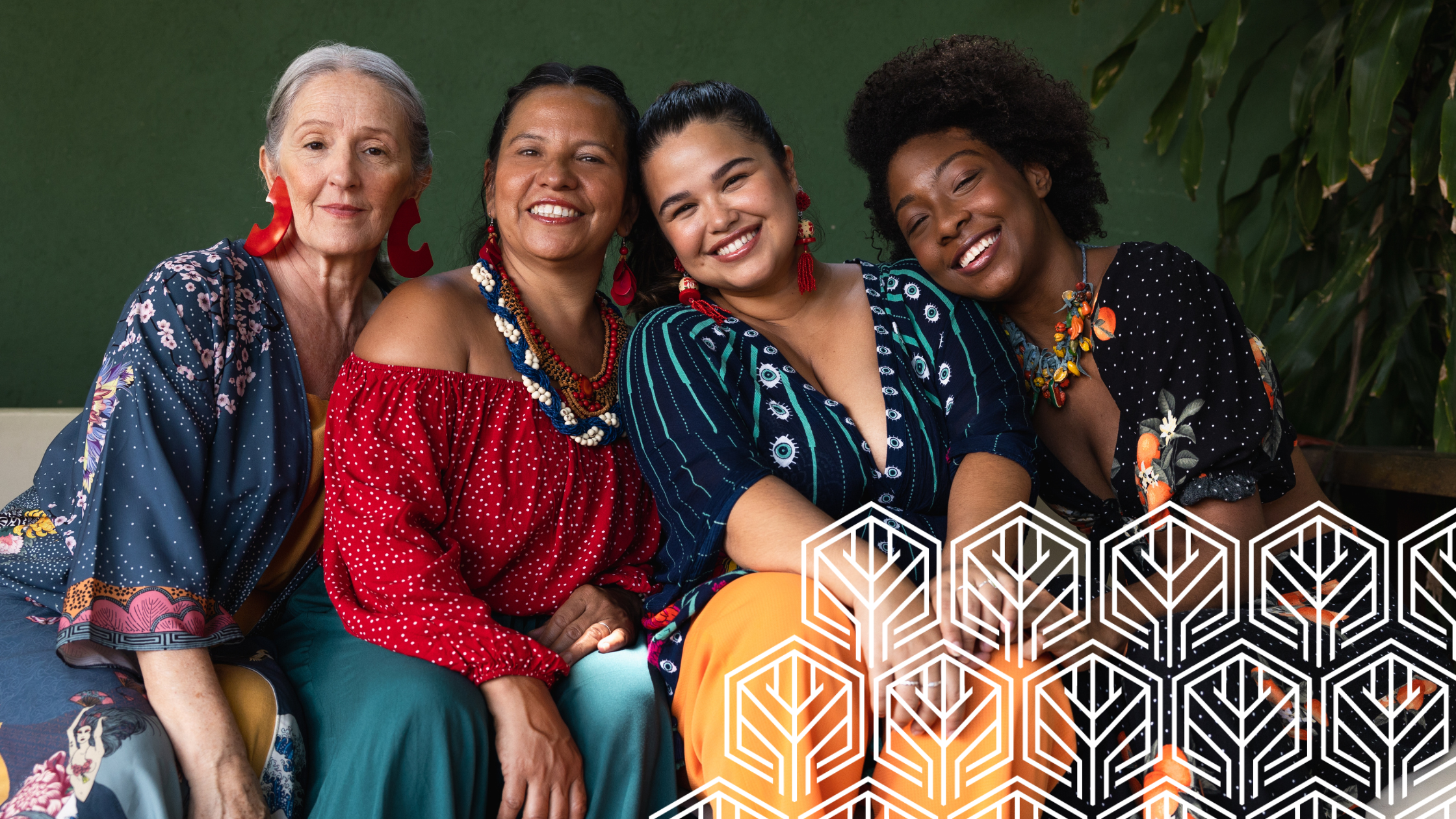
    October is Women’s History Month and this year’s theme is “Through Her Lens: Celebrating the Diversity of Women”. 

    The diverse, heroic people who have fought for reproductive justice, access to choice, and humanized birth are countless, spanning time, place, age, race, gender, sexuality, ability, class, religion, and the full array of human experiences. By sharing a few of their stories, we begin to tell the story of our ongoing struggle for reproductive freedom through their lens. 

    The work of these pioneers and modern-day heroes is part of the fabric of all we do as doulas, childbirth educators, and birth keepers to ensure that pregnancy, birth, mothering, and parenthood are empowered, affirming choices and experiences.

    The featured figures in women’s history offer a lens through which can explore the movements that have shaped the context of birth work in the 21st century.

    Dr. Elizabeth Bagshaw & Nurse Dorothea Palmer

    Elizabeth Bagshaw started her medical studies at the University of Toronto in 1901 at the age of 19 and began practicing medicine in Hamilton, Ontario in 1905. The medical profession was overwhelmingly dominated by men at the time. The limited number of women in the profession were excluded from specialties such as surgery and steered toward obstetrics or pediatrics. As a result, maternal health quickly became the primary focus of Dr. Bagshaw’s practice. In 1932 she was asked to become the medical director of Canada first birth control clinic, which was illegal at the time. Despite the legal risks, Dr. Bagshaw accepted the role because she “understood that neglecting health care that only women need contributes to their subordination.” Bradshaw’s practice at the clinic consisted largely of fitting women for diaphragms and conducting follow-ups. The clinic served 400 women in its first year of operation.

    At the time that she assumed the role, the Great Depression was ravaging society. Men were out of work, children were hungry, and maternal mortality was high. Women were dying from botched abortions. Family planning options were urgently needed. Despite these conditions, sharing birth control information was illegal and considered immoral by many. Bagshaw and her collaborators were called “devils” and “heretics”. 

    The controversy came to a head in 1936 with the trial of Ottawa-based reproductive health nurse Dorothea Palmer. Palmer was charged with advertising birth control during home visits to discuss family planning. Palmer’s defence successfully argued that she had acted in the public good and she was acquitted. This defense was successful again on appeal, making things easier for Bagshaw’s clinic and other early family planning pioneers, although the law making advertising birth control illegal was not reppealed until 1969..

    June Callwood 

    June Callwood was a Canadian activist, journalist and writer who co-founded the Canadian Abortion Rights Action League in 1973, along with Kay Macpherson, Lorna Grant, Eleanor Wright Pelrine, Esther Greenglass, and Henry Morgentaler. Over the course of the 1970s and 1980s the organization played a pivotal role in the journey to full decriminalization of inducing an abortion in 1988.  After this milestone, CARAL continued its work to ensure equitable and safe access to medical termination of pregnancy.

    June Callwood was also known for her journalism in support of social justice and women’s rights. Over the course of her journalistic career she wrote for the Globe & Mail, Chatelaine, McLeans, and other major Canadian publications.

    As an activist, she was involved in co-founding over 50 social service organizations, including Casey House a hospice for people with AIDS and Jessies: The June Callwood Centre for Young Women, which provides a range of social services to young women and trans people experiencing pregnancy.

    Dr. Galba Araujo

    The Humanizing Childbirth movement began in Fortaleza, Brazil in 1975 when Obstetrician Galba Araujo pioneered a program to train traditional midwives and partner them with hospitals. His project gained international recognition, and acted as a catalyst for the World Health Organization to host a conference on technology and childbirth in Brazil in 1985. 

    In 2000, the first annual conference on humanizing childbirth was held in Fortaleza Brazil, revitalizing interest in the Humanized Birth movement for the 21st century. This movement aims to de-medicalize birth and create a process wherein relationships and communication are centred and where personal and spiritual transformation are possible. 

    While Dr. Araujo’s contribution was undoubtedly central to this movement garnering international recognition in mainstream medicine, the principles of this movement are drawn from woman-led traditional Indigenous midwifery in Brazil and other part of the Americas. 

    Reverend Alma Faith Crawford

    Reverend Alma Faith Crawford is one of 12 Black women who coined the term “reproductive justice” in 1994 and founded an anti-racist feminist movement aimed at equipping women of all races, classes, and sexual and gender identities with the option to choose to have family, whether through accessing adequate support to childrear, or by accessing options to prevent or terminate pregnancy. The organizing framework they developed for Women of African Descent for Reproductive Justice recognizes that the rage of choices available to a person are impacted by a person’s social experience, with people experiencing injustice and marginalization having diminished access to choice. Maintaining each individuals human right to reproductive justice involves dismantling all forms of social injustice at the deepest level of the system. In addition to equitable abortion access, reproductive justice advocates call for access to social services that would make is possible for more people to raise families with well-being.

    Reverend Crawford also organizes with interfaith pro-choice advocacy organization Religious Coalition for Reproductive Choice. She continues her intersectional social justice work as a senior coach for Pastors Without Borders. As clergy in the United Church, she and her partner Karen Hutt create welcoming and loving spaces for members of the Black, LGBTQ+ community. 

    Nurse Courtney Penell

    Courtney Penell is an Indigenous labour and delivery nurse in Nova Scotia who performed the first smudge ceremony in a Halifax hospital in June 2023. Her ability to perform the ceremony in the hospital came at the end of 10 years of advocacy, that included collaboration with the hospital and the fire department to resolve safety concerns. The long-fought-for policy was implemented just days before her nephew’s birth, allowing her sister to become the first person to receive the ceremony in the hospital. Smudging is an important Indigenous ceremonial and medicinal practice that involves burning sacred herbs such as sage, cedar, sweetgrass, and tobacco. The specifics of the ceremony vary from Nation to Nation. Penell performed the ceremony according to her family’s Mi’kmaw traditions. 

    Courtney Penell’s advocacy is part of a Canada-wide Indigenous movement to decolonize birth by reclaiming traditional practices and ceremonies, bringing birth back onto ancestral lands, introducing traditional first foods, and other liberatory actions. 


    [/vc_column_text][/vc_column][/vc_row][vc_row][vc_column width=”2/3″][vc_column_text css=”.vc_custom_1696691935455{margin-bottom: 0px !important;}”]Keira Grant (she/her) Inclusion and Engagement Lead – Racialized Communities

    Keira brings a wealth of experience to the Online Community Moderator role. She is a Queer, Black woman with a twenty-year track record in Equity, Diversity, and Inclusion (EDI) education, projects, and community building initiatives.[/vc_column_text][/vc_column][vc_column width=”1/3″][vc_single_image image=”520907″][/vc_column][/vc_row]